Extended Year Programming can be a valuable tool to support students in learning recovery, reengagement, and transitioning. In some cases, ensuring students meet specific program requirements also helps.
[WE1] At the secondary level, this for-credit programming may come in the form of summer classes, Reach-Ahead opportunities for students in Grade 8 transitioning to secondary school, or night school classes.
The Elementary Summer Learning program continues to be funded by the Council of Ontario Directors of Education (CODE) [WE2] and available to KPDSB students. The program is designed to reach the most vulnerable students to offer learning that continues from the previous year and supports the students in literacy, numeracy and social-emotional learning to prevent summer learning loss. The Summer Learning program continues to reach our Keewatin-Patricia students, who have the highest need for continued learning support through the summer. The program is inclusive and offers many learning opportunities, meeting the needs of all participating students in many areas, such as academic, social, emotional and mental health. This past summer, we offered five programs with registration numbers meeting the minimum registration amount (minimum of 15, maximum of 20)—three programs in Kenora, one in Dryden and one in Ear Falls. All five programs were face-to-face, following COVID guidelines set by the Ministry and NWHU. [WE3]
Due to the global pandemic, more mental health funding was provided to school boards for the second summer in a row. The funding provided intended to ensure boards could provide mental health and transition supports throughout July and August. Thus, the board used funds to retain three student counsellors for recruitment and orientation purposes and developing new and existing resources.


Garden Project
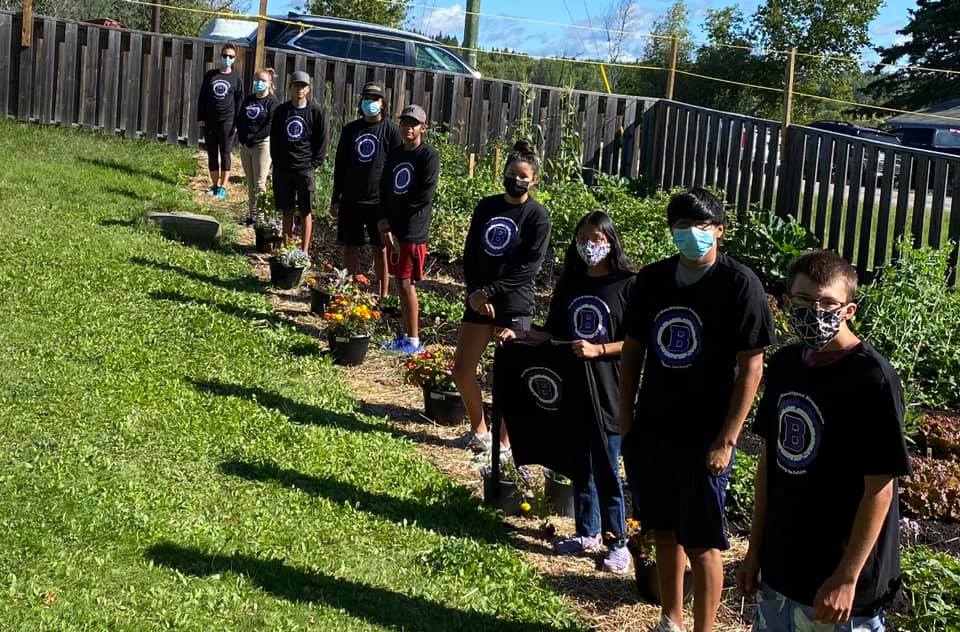
The Beaver Brae Garden Project (Growing the Future and Gichi-Mino-Gitigaani Bimaadiiziwin)[WE1] was a collaborative effort by the Ministry of Child and Family Services, Kenora, Rainy River Child and Family Services, Anishinaabe Abinoojii Family Services and the Keewatin-Patricia District School Board. The ministry’s funding enabled KPDSB and local community agencies to work collaboratively to provide a unique opportunity for students identified as needing extra support. This summer program is supported by a close working relationship between the board and the community partners, who were highly responsive to students’ learning needs, goals and interests.
The Beaver Brae Garden Project was a six-week paid summer cooperative education program, providing students with secondary credits and an opportunity to build and strengthen employability skills, as well as critical transferable skills such as teamwork, problem-solving, financial literacy, entrepreneurship and creativity. Students were responsible for creating a garden, planting, growing, harvesting and marketing the vegetables. They learned about maintaining soil conditions, horticulture and trade-based skills such as carpentry, as they designed and constructed benches, equipment storage and raised garden beds. The program provided them with support from caring adults, a connection to positive role models and an authentic learning opportunity during the summer. This program was loved by students, staff and the community.